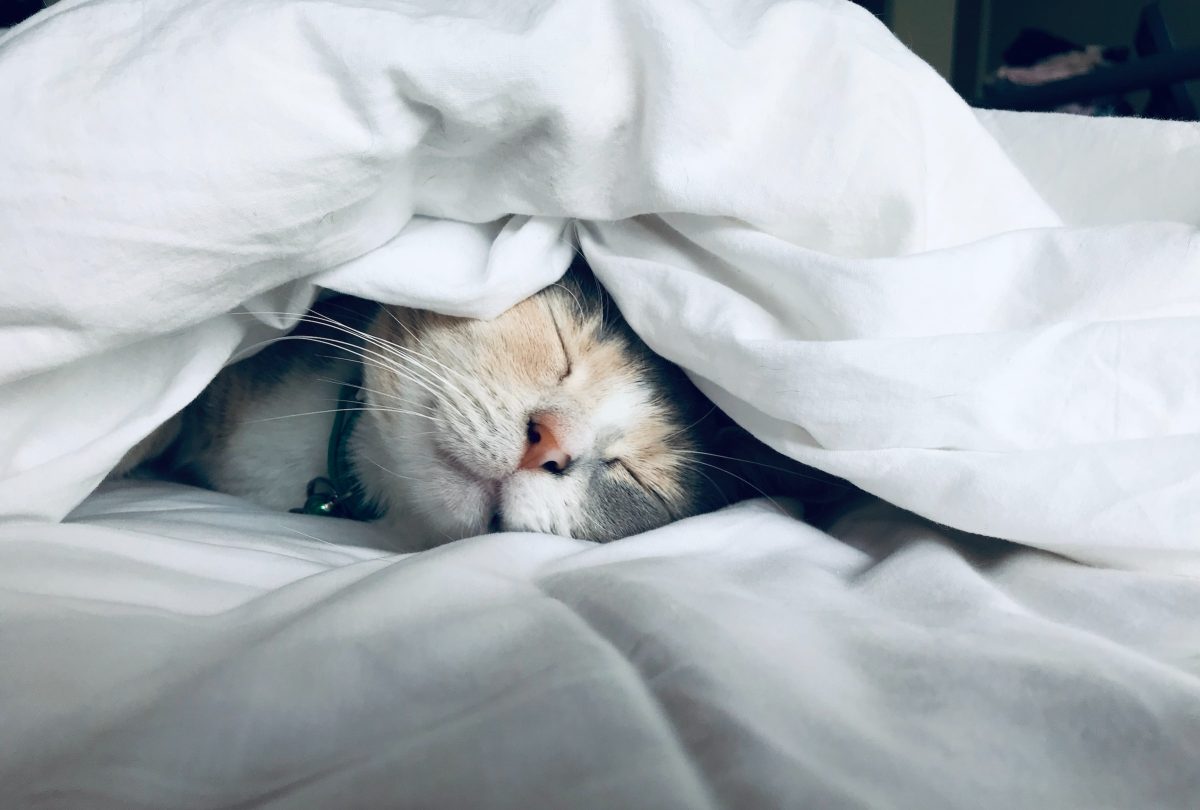
En deilig dyne kan gjøre underverker for søvnen din. Det er ingen hemmelighet at god natts søvn er avgjørende for helse og velvære, men å finne den rette dynen som passer til deg kan være en utfordring.
I denne artikkelen skal vi se på det store spekteret av mulige alternativer, samt hvilke egenskaper du bør se etter når du velger riktig dyne.
Så les videre for å lære mer om hvorfor det å ha en komfortabel og passende dyne er så viktig!
Fordelene med et behagelig dyne
En deilig dyne kan gjøre underverker for søvnen din. Å sove godt og få nok hvile er avgjørende for helsen vår, derfor bør vi velge en komfortabel dyne som passer til vårt behov.
Det finnes mange alternativer på markedet, noen av dem har dunfylling mens andre bruker syntetiske stoffer som polyester eller viskosefiber. Uansett hvilken type du velger, anbefaler eksperter at den har et trådtall på mellom 150-400 tråder per kvadrat tomme for å oppnå best mulig isolasjon og temperaturregulering.
Dyner med riktig trådtall gir deg bedre kvalitetssøvn og holder varmen inne om natten, slik at du kan sove jevnt. De gir også god støtte til skulderen og albuene dine, samtidig som de absorberer fukten fra kroppen din slik at du alltid ligger tørr og behagelig i sengen.
Pustbarhet er like viktig; det skal tillate utlufting av overskuddsvarme slik at temperaturen uteblir ubehagelig.
Velge det rette dyne for deg
Valg av den rette dynen for deg er avgjørende for å få god søvn.
Den riktige størrelsen på din dyne vil hjelpe deg med å holde temperaturen komfortabel gjennom natten.
Valget ditt blir også bestemt av hvilken type puter du bruker: store eller små, myke eller fastere? Det er viktig at du får en god balanse mellom de to, slik at bakhodet og skuldrene dine har tilstrekkelig støtte.
Det finnes ulike typer materialer som kan bidra til en behagelig natts søvn – fra lette bomullsdynedekket til syntetiske alternativer som polyester eller rayon-fiberfylt dun.
Når det gjelder tekstur og vekt, velger de fleste et midterste punkt som gir den optimale varmenivået uten å overopphetes om natten.
Uansett hva du velger, husk alltid at det beste alternativet er det som gir deg mest komfortable opplevelse!
Dyne-materialer og fyll
En god dyne er avgjørende for å få en komfortabel og avslappende søvn. Dagens marked har flere typer dun-alternativer og syntetiske fyll som kan hjelpe deg med å opprettholde en behagelig temperatur hele natten.
Disse alternativene varierer i materialer, vekt, stivhet og isolerende egenskaper, slik at du kan finne det perfekte settet for dine individuelle behov.
For eksempel, om du liker et lettere teppe på kroppen din, vil en lettevekt polyesterfiberfyll være ideelt; Hvis du foretrekker noe mer voluminøst og luftig, vil dun alternativer til fyll gi den myke touch som du leter etter.
Syntetisk fyll gir ofte bedre holdbarhet sammenlignet med andre former for fyllinger.
Uansett hvilken type fyll du velger – et fiberfyll eller dunalternativer – la deg aldri bli tatt fra muligheten til å sove trygt igjen!
Temperatur og pusteevne
En deilig dyne er viktig for å få en god natts søvn. Dette gjelder spesielt i varme og kalde temperaturer, da det kan påvirke hvor behagelig du sover. Uansett om du opplever unormalt varmt eller kaldt vær, finnes det flere måter å optimalisere ditt miljø slik at du får den beste søvnen:
- Velg riktige tekstiler som gir svært god luftgjennomtrenging. Dette er avgjørende for regulering av temperatur under alle slags værforhold.
- Prøv ulike typer madrasser laget med materialer som absorberer overflødig fuktighet og holder deg tørr hele natten lang.
- Sjekk dyner – jo mer pustende de er, desto bedre! Naturlige fibre som bomull vil oftest fungere bra; syntetiske stoffer binder vanndampen til selve fibrene, noe som skaper et varmere miljø der man lettere overopphetes.
- Unngå å holde maskiner, elektronikk osv på soverommet – disse produserer mye varme og hindrer deg fra å ha en frisk og rolig søvn.
- Hold rommet rent og ventilert – la utlufting skje daglig for å ta vekk all gammel luft samtidig som du tar inn nytt luftfuktighetsnivåer.
Disse tipsene kan virkelig hjelpe deg med å velge rett type sengetekstiler for enhver temperatur, enten det er ekstra varmt eller kaldt ute.
Mange mennesker har problemer med svette i mildere perioder av året, spesielt nattestid – å regulere temperaturen med de rette tekstilene kan spare deg massevis av trassel!
Omsorg og vedlikehold av din dyne
Når det kommer til temperaturen og åndbarheten, er en deilig dyne avgjørende for god søvn. Men hva kan du gjøre for å bevare den? Følger du noen få riktige vedlikeholdsrutiner, vil din dyne beholde sin myke tekstur og dens evne til å holde deg varm og behagelig hele natten.
For å effektivt ta vare på dynen din, bør du regelmessig vaske den i henhold til produsentens instruksjoner. Dette bidrar til å hindre at skadelige mikroorganismer vokser på materialet.
Du bør også bruke luftfukter for å absorbere overflødig fuktighet som samler seg opp over tid. For best resultat lagres dyner aller helst i en lufttett pose eller et tilstrekkelig stort rom med god ventilasjon. Dette gir optimal beskyttelse mot allergener, mugg og andre miljøpartikler.
Vedlikehold av dine sengetekstiler sliter dem mindre ut over lengre tid, noe som igjen begrenser antall maskinvaskinger og dermed reduserer belastningen på miljøet.
Ved rettidig vedlikehold holder du dynen hyggelig myk – akkurat slik den skal!
Maksimer kvaliteten på søvnen din med en komfortabel dyne
En god dyne kan gjøre stor forskjell på søvnen din. Valg av riktig dynetrekk og tekstil vil hjelpe deg å holde kroppstemperaturen stabil, slik at du ikke våkner opp om natten eller får et urolig søvnmønster.
For de beste resultatene, bør du velge en som er laget av mykt materiale som absorberer fuktighet, noe som gjør det lettere å beholde den optimale temperaturen mens du sover.
I tillegg til å velge rett dyne, anbefaler helseeksperter at du har regelmessige leggetider og følger sunne søvnhygiene-regler som synes avslappende aktiviteter i timer før sengetid, unngåelse av stimulantia og skjerming fra lys og sterklyd.
Ved å gjennomføre disse tipsene sammen med en komfortabel dyne, vil du ha alle ingrediensene som trengs for å opprettholde optimal søvnkvalitet.
Hvor mye koster vanligvis en dyne?
En deilig dyne kan gjør store forskjeller i søvnen din. Det kommer an på hvilket materiale du velger og trådantallet som bestemmer prisen.
Dyner laget av ren naturfiber, som ull eller silke har en tendens til å være dyrere, men over tid vil de regulere temperaturen bedre og bidra til et mer behagelig sovested. De billigere alternativene er ofte syntetiske stoffer som polyester, som ikke har like god temperaturreguleringsevne, men det er mulig å finne varianter med høy trådtall også.
Priser begynner vanligvis rundt 500 kroner, men vil stige oppover basert på materialvalg og trådtall.
Hvor ofte bør jeg erstatte min dyne?
For å få mest mulig ut av din dyne, anbefales det at du bytter dynen og påfyllingsmiddelet ditt opptil to ganger i året – spesielt når sesongene endrer seg.
Dette vil hjelpe deg med å holde varmen om vinteren og kanskje til og med spare penger på energiomkostninger.
I tillegg kan et friskt lag av fylling eller en helt ny dyne virkelig gjøre underverker for søvnen din!
Hva er den beste dyne for varme sovere?
Noen har kanskje lagt merke til at de får mindre søvn om natten og blir opphetet. Dette kan være et stort problem, og det er derfor viktig å finne den beste dynen for varme sovevaner.
Et av de mest effektive materialene som brukes i moderne dunputer er kjølende tekstiler som hjelper deg med å holde deg kjørlig hele natten.
Hypoallergene materialer som silke eller bambusfiber vil også bidra til å regulere temperaturen din slik at du føler deg behagelig og frisk gjennom hele natten.
Hvordan vet jeg hvilken dyne størrelse som er best for sengen min?
Når du ser etter den perfekte dynen for sengen din, er det viktig å vurdere størrelse og fyllingsmuligheter.
Dynestørrelsen vil avhenge av hvilken type seng du har – jo større seng, desto større bør dynen være.
Det finnes mange ulike typer fyllinger, fra bomull til dun eller syntetisk fiber.
Fyllingene påvirker ikke bare komfortnivået ditt, men også temperaturreguleringsevnen og allergivennligheten til dynen.
For å avgjøre hvilken type som passer best for deg, må du ta hensyn til de unike behovene dine når det gjelder sovevaner og helse.
Hva er forskjellen mellom en dun dyne og en syntetisk dyne?
En deilig dyne kan virkelig gjøre mirakler for søvnen din.
Det er stor forskjell mellom en dun dyne og syntetisk dyne, som begge har ulike egenskaper.
Dunfyll gir ekstrem komfort og varme, mens syntetisk isolasjon tilbyr lav vekt, mer holdbarhet og evnen til å tåle flekkbehandling lettere.
Dun fyll angir hvor godt et nedfylt teppe vil isolere, med høye tall betyr bedre isolasjon.
Syntetiske fibre lar deg selv fylle ditt dyneforhold opp på det du foretrekker best – fra mykt og fluffy til fast og tykk.
Uansett om du velger en dun dyne eller syntetisk dyne, er det viktig at du sikrer deg at du sover komfortabelt hele natten!